What is Sustainable Gaming?
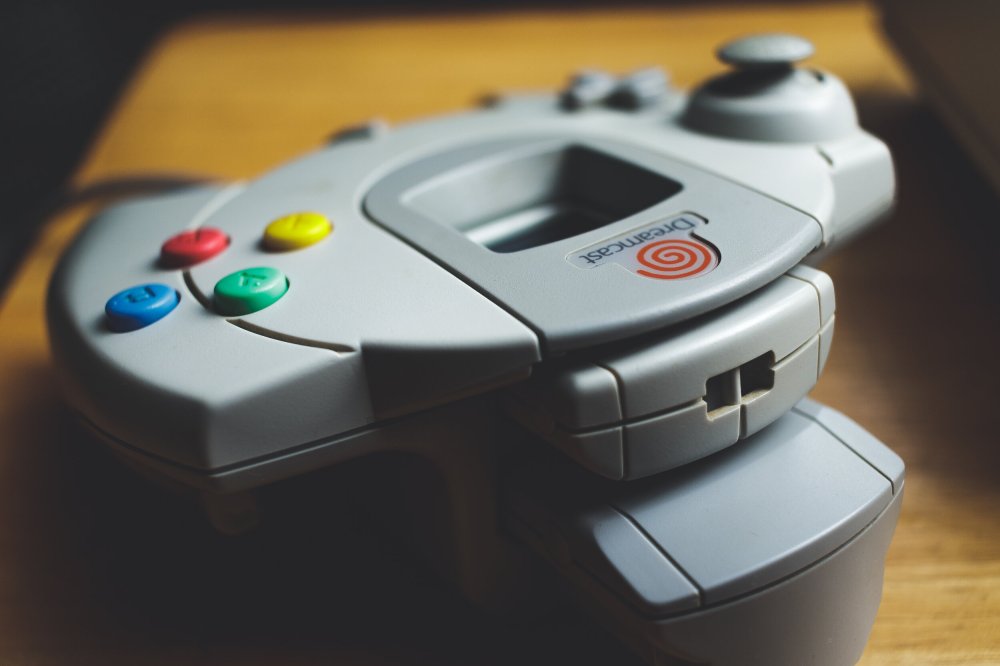
When people think of the word “sustainable’, it conjures up many ideas, definitions, and interpretations. Some think of climate change resilience, recycling, conservation, environmental protection, and others.
There are few who connect the ideas of sustainability and videogames together and if they do, they tend to focus on things like calculating the carbon cost of making/transporting physical and digital games to retail, etc. While that is valid and may be of some benefit, that is not what we at OK! Japan Videogames consider in defining “sustainable” gaming.
To us, sustainable gaming is simply playing games and consoles that have already been created and since we focus on a love of Japanese games and consoles, that means sustainable gaming through playing games and consoles that originate in Japan.
If we look at the three “pillars” or facets of sustainability, which are social, economic, and environmental this will help to explain how the idea of playing Japanese games and consoles that have already been created, sometimes 20+ years into the past is much more sustainable that say, playing a modern game just purchased in a retail store.
An example would be playing a HuCard, the cartridge card-based media used to store games on the Japanese PC Engine videogame console. The PC Engine was released in Japan in 1987 and had a very long life with games being made for it all the way until the mid 1990s. It eventually had several hardware revisions throughout that timeframe including updates to the basic console system, known as the PC Engine CoreGrafx, a CD-ROM attachment to play disc based games, and eventually a merging of both the CoreGrafx and CD-ROM attachment into a unified console known as the PC Engine Duo series. While the system was released in the West as the Turbo Grafx-16, it did far better and for much longer time in Japan with hundreds of quality games being released over the years on HuCard and CD-ROM game discs. The vast majority of these were only in Japan. All the games were designed in Japan by Japanese developers. All the physical games and HuCards where made and produced in Japan and all the consoles were also made and produced in Japan. You may be wondering, how is this sustainable:
1. Since the games and consoles have been made in the past, in this case 20+ years ago there are no calculable carbon costs. Essentially, by playing an older “retro” game, you are recycling as the game has already been made. Instead of buying new games and new consoles, playing older ones is sustainable as they have already been manufactured. No new metals need to be mined, no more plastics need to be made, and no more labour needs to be used to make the consoles and games.
2. Where the videogame is made also matters. Japan, like other modern, industrialised nations has (though to a lesser extent in the 21st century) a strong manufacturing sector with robust labor laws, intellectual property legislation that is enforced, employee protections, and well-compensated employees. They also have quality and engineering admired by the entire world. This is the social and to a lesser extent, economic part of sustainable gaming. The Japanese games and consoles we will cover on OK! Japan Videogames have all been made ethically in countries (Japan) with strong labour protections by well compensated employees and to a high standard in materials and workmanship. Japanese games and consoles and most things made in Japan last a really long time and have a generational and continuing reputation for quality, design, and precision engineering. They are also original, creative, artistic works that do not generally infringe on the intellectual property of others. None of the games or consoles, especially if made in Japan were made, for example, in sweatshops, with forced labour/poor working conditions, with cheap materials, by copying or infringing on someone elses’ intellectual property. This is the social and economic part of sustainable gaming and something most people do not think about.
So that is how we at OK! Japan Videogames define sustainable gaming. The main reason we love to play Japanese games is because they are awesome, amazing, creative, and the best in the world but we also steadfastly believe that gamers should ask themselves these questions: Where is the videogame console you are playing physically made? Where are the games made? What are the labour conditions and pay of the people who make them? Did they copy or clone someone else’s intellectual property? These are easy questions to answer for Japanese videogames and consoles as they have and continue to dominate the market but in this new era, it is worth thinking about sustainability even as it relates to gaming.
Thanks for reading and we’d love to know your thoughts on sustainable gaming! Watch this space for more information on sustainable gaming in the future!
Manjimaru Sengoku
 OK! Japan Videogames